Nightshift Decaf
A decaf with no apology in it. Cocoa nib, dried cherry, and a round, almost syrupy body — the cup you reach for at 9 p.m. without lying awake at midnight.

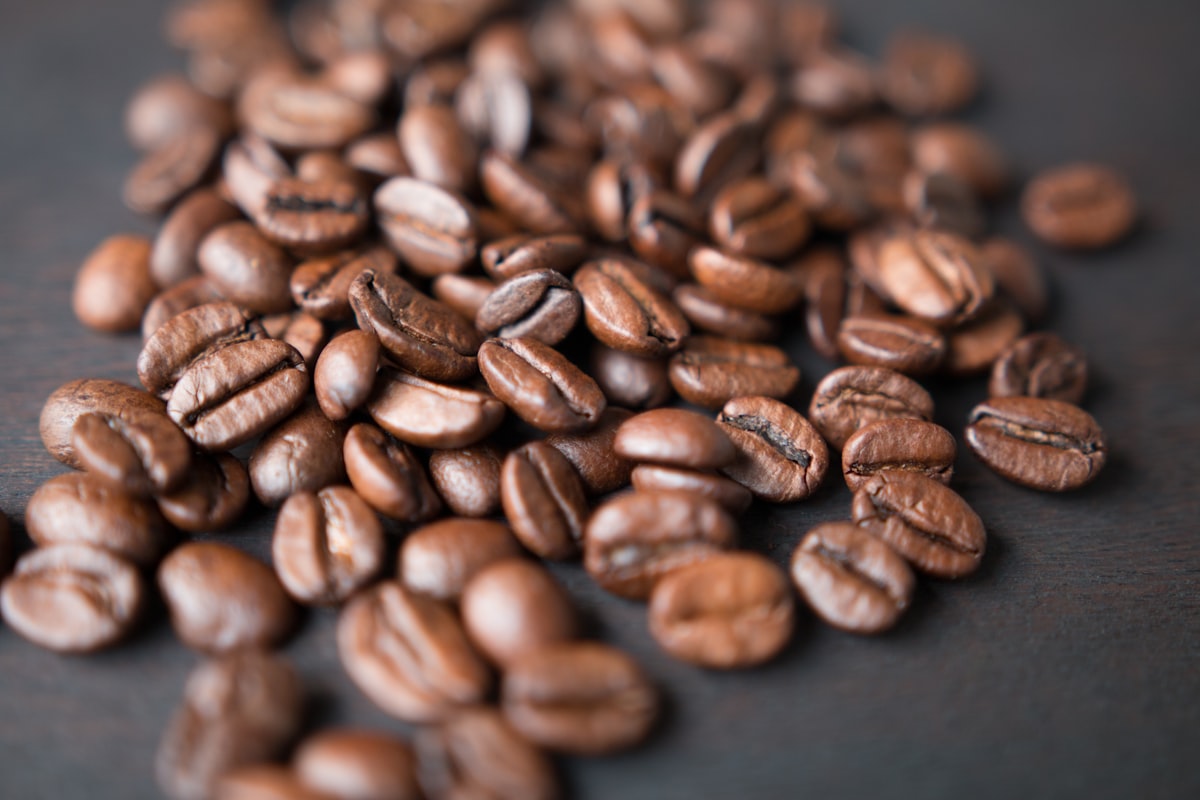
For years our standing answer to "do you have a decaf?" was a slightly embarrassed "not one I'd recommend." Most decaf is treated as an afterthought — old green coffee, decaffeinated harshly, roasted dark to hide the damage. We didn't want to sell that. Nightshift is the result of finally finding a decaf worth roasting, and it's become a quiet favorite among the regulars at our counter who don't want to be up all night.
The secret is the process. This is a Colombian coffee decaffeinated by the Sugarcane method — sometimes called the natural or EA process — where the caffeine is drawn out using ethyl acetate derived from fermented sugarcane. It's gentle, it's done at origin near where the coffee grows, and crucially it leaves most of the bean's sweetness and structure intact. The result barely reads as decaf at all.
Where it comes from
The green is a washed Colombian from the Huila department in the country's south, sourced through the same importer who brings us our single-origin Huila. It's grown by smallholders at around 1,700 meters, processed and dried as a specialty lot, and only then sent to be decaffeinated. Starting with good coffee is most of the battle — you can't decaffeinate your way to quality that wasn't there to begin with.
How we roast it
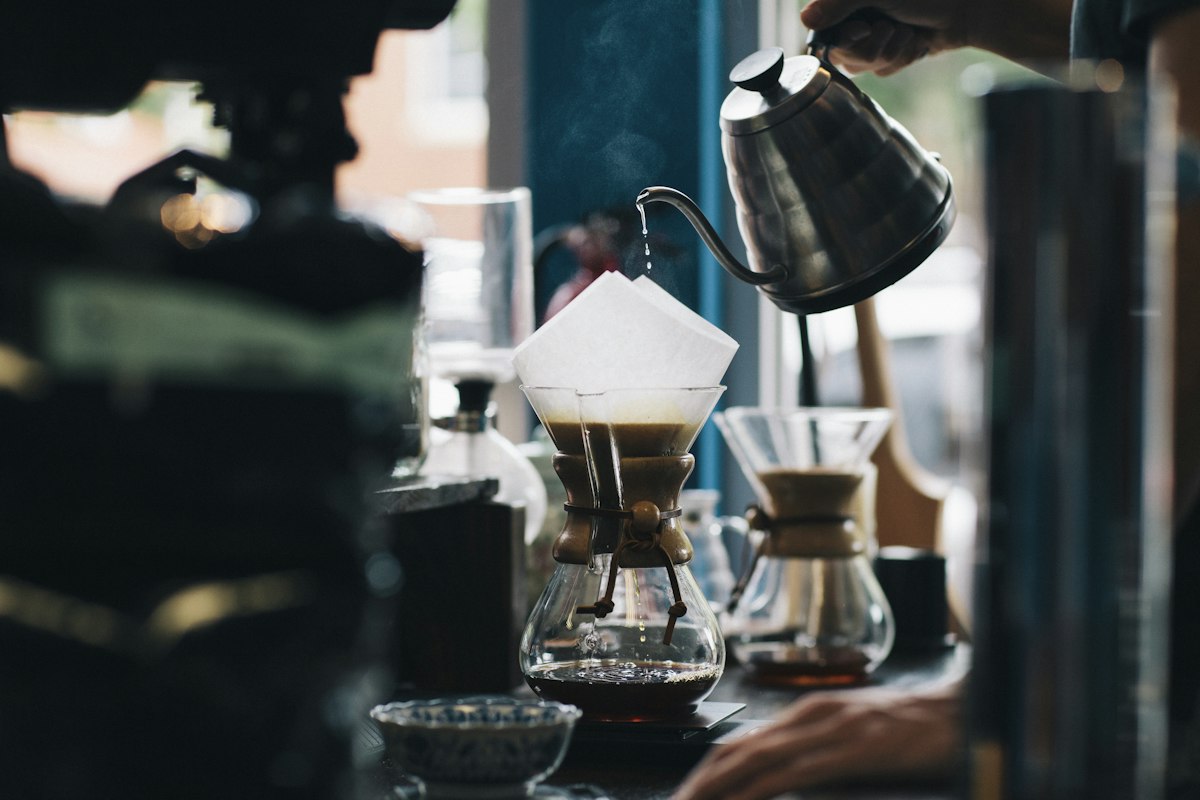
Decaffeinated beans behave differently in the drum — they start out a darker green, conduct heat faster, and color up sooner than caffeinated coffee, which fools a lot of roasters into dropping them too early or scorching them. We roast Nightshift to a true medium, easing off the heat through the back half so the color doesn't run ahead of the actual development. Drop it on color alone and you get a roasty, hollow cup. We go by time and feel instead, and it pays off in body.
Roast Spec / Nightshift Decaf
- Origin
- Huila, Colombia
- Process
- Washed · Sugarcane EA decaf
- Altitude
- 1,650–1,800 masl
- Variety
- Castillo, Colombia
- Decaf method
- Ethyl acetate (sugarcane)
- Roast level
- Medium
- Drop temp
- 424°F
What it tastes like
Cocoa nib and dried cherry are the headline — a darker, jammier fruit than you'd find in our brighter coffees — over a body that's genuinely round and a little syrupy. There's a soft brown-sugar sweetness in the finish and none of the flat, papery aftertaste that gives decaf its bad name. Served black it's satisfying; with a splash of milk it leans toward hot cocoa. We pour it as the house decaf espresso at the counter and most people can't pick it out of a lineup.
A good decaf isn't a consolation prize. It's just coffee for the part of the day caffeine doesn't belong in.
Brew Tip · Evening Cup
Decaf rewards a slightly higher dose since there's no caffeine bitterness to balance:
- Ratio: 62g coffee per liter — a touch stronger than usual
- Grind: medium for drip, medium-coarse for French press
- Water: 200–205°F
- Best by: equally good as an evening pour-over or a flat white
Cafe & Wholesale Lead
Priya Sundaram
Priya runs the tasting counter and our wholesale accounts. She trained as a barista in Seattle and championed Nightshift onto the menu after pulling about forty test shots of it.